Host 2026: Cirò (Calabria), Italy
Cirò, a millennia-old terroir at the heart of Calabria’s wine renaissance
The wine region of Calabria, one of Italy’s most emblematic oenological territories, has been chosen by the Concours Mondial de Bruxelles to host the CMB Rosé Wine Session. From 27 to 29 March, the tastings will take place in the town of Cirò, offering a unique setting to showcase the excellence and diversity of rosé wines from around the world.
From 27 to 29 March 2026

An ancient heritage, a renewed viticultural identity
The cradle of one of the oldest wine traditions in the Mediterranean, Cirò is today reclaiming a leading position within the wine landscape of southern Italy.
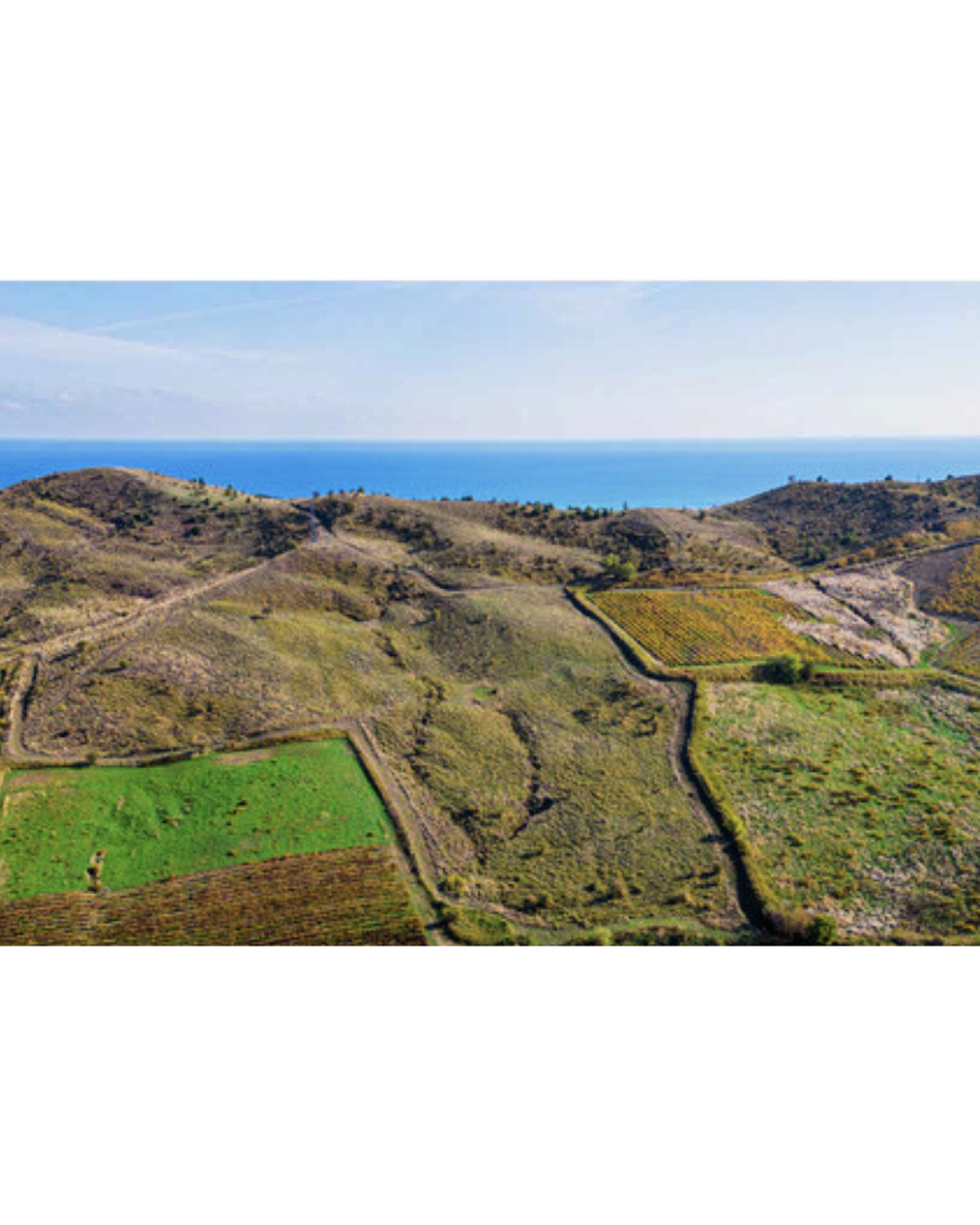
Located on the Ionian coast of Calabria, this region bears the mark of a winegrowing history dating back to Magna Graecia, when Greek settlers found here an ideal place to cultivate vines.
According to ancient sources, the wine of Krimisa — the former name of the Cirò area — was offered to victorious Olympic athletes: a ritual, identity-defining and symbolic wine.

A pioneering appellation in Calabria
The first Calabrian designation to obtain DOC status in 1969, Cirò has been undergoing a genuine renaissance for several years.
This movement has been driven both by major historic houses and by a new generation of winemakers who have chosen to unite contemporary vision, traditional know-how and sustainable practices.
Today, Cirò stands among the most dynamic denominations of southern Italy, supported by a strong identity, rising quality production and growing recognition beyond regional borders.
“The strength of Cirò lies in the consistency of its production system: each estate works with full awareness of belonging to a collective identity.”
— Consorzio Tutela Cirò e Melissa

An organized supply chain: the role of the Consorzio Cirò e Melissa
At the heart of this collective momentum, the Consorzio di Tutela Vini DOC Cirò e Melissa ensures the governance, protection and promotion of the denomination. Its Erga Omnes–recognized mandate guarantees the identity, quality and coherence of the entire production. The Consorzio oversees around 2,500 hectares of vineyards — 840 of which are claimed under Cirò DOC — and coordinates the activity of 187 growers, 63 winemakers and 57 bottlers. In 2021, production exceeded 3.8 million bottles, a testimony to the vitality and stability of the production system.
The recent evolution of the denomination is rooted in the Consorzio’s ability to support, in a balanced way, both major historic estates with strong international market presence and young family-run wineries often led by new winemakers. Together, they have strengthened a plural yet coherent identity, capable of expressing the territory with a unified, credible and forward-looking voice.
Towards DOCG: a major milestone in the history of Cirò
This recognition will not only provide additional guarantees for consumers: it will also crown a collective effort built on quality, traceability, continuity and the denomination’s deep historical roots. Cirò has all the required elements — geopedological characteristics, native varieties, adapted agricultural practices, organoleptic recognition — and many producers already craft wines perfectly aligned with the standards of the future controlled and guaranteed appellation. The DOCG will strengthen the protection of the Cirò name and consolidate a unified industry around a shared level of excellence.

A territory in transition: diversity, identity and vision
While Gaglioppo remains the soul of Cirò and continues to define the style of the denomination’s red wines, recent evolution is revealing a broader identity shaped by local biodiversity. Many producers have revived Greco Bianco and Pecorello, two native varieties long undervalued.
Greco Bianco yields fresh, saline, delicate wines marked by citrus, floral and wet-stone notes. Pecorello is distinguished by a fuller structure, strong minerality and notable ageing potential, with aromatic expressions reminiscent of Mediterranean herbs and yellow fruits.
This stylistic diversity, with identity-driven reds, elegant rosés and expressive whites — is not the result of a passing trend but the outcome of a more precise reading of the terroir: soil diversity, varied altitudes and exposures, wind influence and agricultural practices increasingly adapted to varietal characteristics. Cirò today presents itself as a competitive winemaking system, aware of its potential and capable of offering gastronomic, versatile wines with excellent ageing capacity.


vocation. This millennia-old heritage, once deeply tied to rural rhythms, now finds expression in a collective project built on coherence, quality and a desire to renew itself without denying its roots. Cirò is a united productive community that transforms memory into a driving force for the future and identity into shared value — a living, authentic heritage that continues to reinvent itself to affirm its place among the great Mediterranean denominations.
By entrusting the organization of its Rosé Wine Session to Canaria and the town of Cirò, the Concours Mondial de Bruxelles reaffirms its commitment to highlighting the world’s great winegrowing terroirs. This event, held from 27 to 29 March, will be an opportunity to celebrate the quality, diversity and dynamism of rosé wines at the heart of a historic territory firmly oriented towards the future.
Partners



Media partners