Wine Paris 2026: Award-Winning Producers from Around the World and CMB Innovations Driving the Market

- Location of the Concours Mondial de Bruxelles stand: Hall 6 B035
- Location of the sample collection stand: Hall 6 A 049
From 9 to 11 February 2026, the Concours Mondial de Bruxelles | CMB will once again be present at Wine Paris & Vinexpo Paris and promises to be, more than ever, the place to be for wine professionals. Our 2026 selection will be truly international, featuring more than 30 award-winning producers from Belgium, Bulgaria, France, Italy, Hungary, Spain, Mexico, Mauritius and Romania.
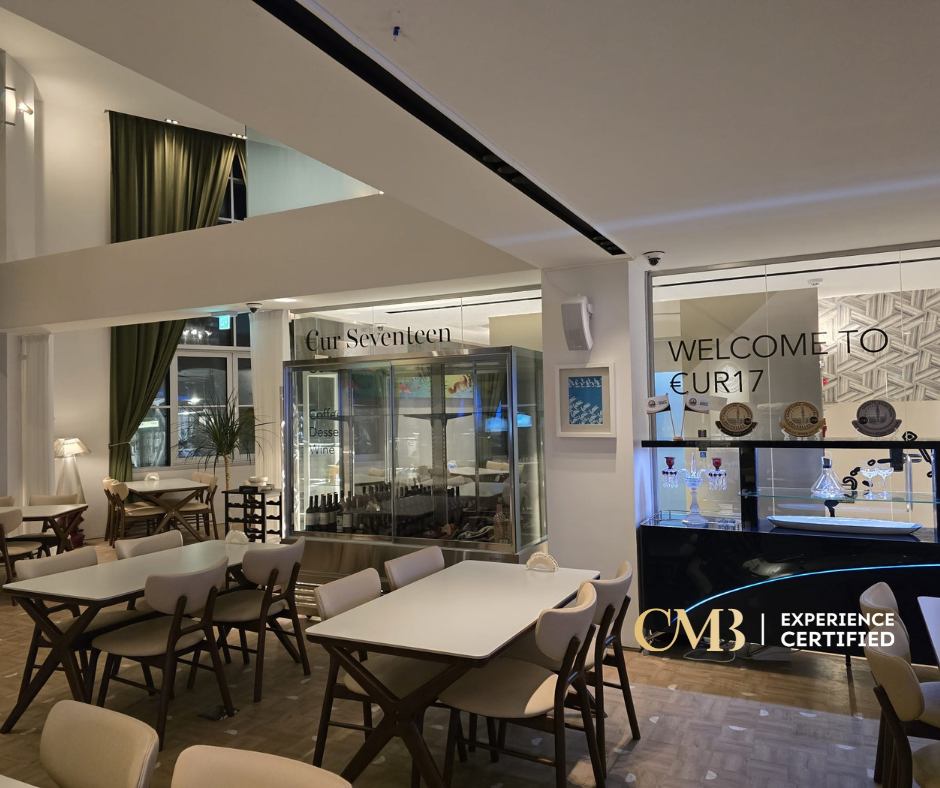
It has now become a tradition: the Wine Bar by CMB will once again be open, offering a wide selection of award-winning wines available for tasting. You will also discover the tools that are enabling the CMB to evolve and now position itself as a true market partner. More information by clicking here.
Click here for the list of award-winning wines available for tasting at our Wine Bar
List of producers present on our stand:
Belgium:
- Mont des Anges: Founded in 2016 through the partnership of a Champagne winemaker and a Belgian entrepreneur, this 12-hectare vineyard produces six cuvées using four Champagne grape varieties. The plots are located in three villages south of Mons, featuring exceptional chalk and flint terroirs. Their Blanc de Blancs 2021 was awarded a gold medal by the CMB in 2024.
Bulgaria:
- Vinex Slavyantsi: Located in the Rose Valley, this historic estate is one of Bulgaria’s largest wine producers, built on a tradition spanning over 1,000 years. With more than 750 hectares of vineyards, the winery enjoys a climate similar to that of Burgundy, France. As the first Bulgarian winery certified for Fair Trade, the company is also socially committed through its Leva foundation and exports over 85% of its production.
France:
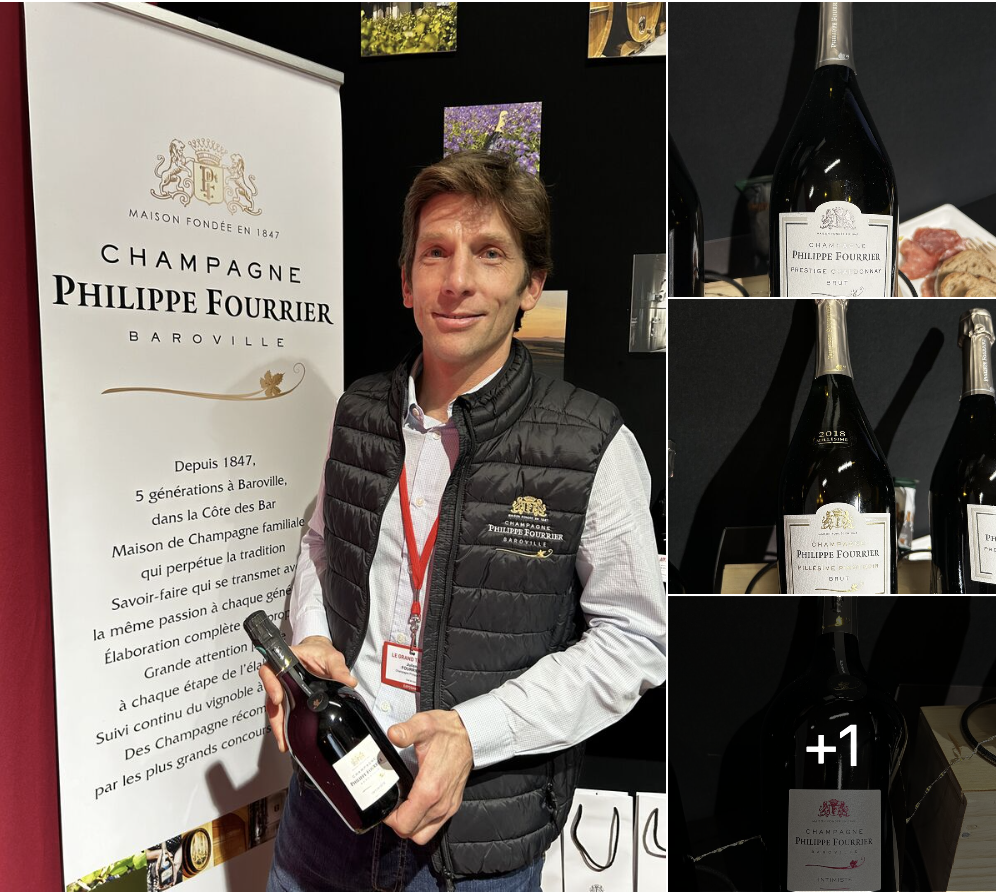
- Champagne Fourrier Delmotte : The Philippe FOURRIER Champagne House is a family-run estate located in the village of Baroville, in the Côte des Bar, in the southern part of the Champagne wine region. This house has been passionately passing down the legacy of viticulture for five generations. The vineyards are primarily planted with Pinot Noir, an emblematic grape variety of the region, but you can also find Chardonnay, Pinot Meunier, and the rare Pinot Blanc.
- Champagne Jacques Chaput, a free spirit in a bottle. A blend of tradition and modernity. Their house has adopted the Salamander, royal emblem of François 1st accompanied by the motto : “Nutrisco & Extinguo” (I feed it and extinguish it), which can be interpreted as : “I feed the good fire and I extinguish the bad“. Share the fire that drives them.
- Château Franc Couplet : The farm has existed since 1998. They have been keen to progress and improve quality both in the vineyard and in the cellar. Obtaining recognition for their wines through medals at national and international competitions has been our motivation for over 25 years. The only way: always and again improve the quality of their wines. Château Les Ricaudelles is their latest acquisition on the estate. They wanted it to be different so they modified the grape varieties by planting Malbec. This wine, with spicy aromas and chocolate notes, pleased the jurors of the CMB.
- Domaine Fortunet: This family-run estate is located on the slopes overlooking the Gascony plain. For four generations, the family has practiced integrated and environmentally friendly viticulture, recognized by the HVE 4 label. The estate offers a range of fruity, aromatic, and elegant wines that frequently win awards at the CMB.
- Château de Parenchère (Bordeaux) et Tenuta Buon Tempo (Montalcino – Italy) :
The passion of Mr Per Landin for wines with great elegance and longevity brought him to acquire estates in two iconic regions: Bordeaux & Montacino.
Château de Parenchère dates from 1570 and is situated 38 kms away from Saint-Emilion, at the easternmost reaches of the Bordeaux region, bordering the Dordogne department. The estate consists of 188 unbroken hectares, including 60 hectares of vines planted on the best plots of the estate. On this beautiful Terroir, the estate produces a full range of 7 wines which are Organic certified: 4 reds, a dry White, a Rosé and a Clairet. Parenchère is known to be a classic of Bordeaux, while displaying a lot of fruit, always with a great ageing potential. It enjoys a reputation of amazing value for money in over 30 countries.
Tenuta Buon tempo (Montalcino) is a boutique winery located on the southern slopes of Montalcino, dedicated to crafting elegant, terroir-driven Brunello and Rosso di Montalcino. With organic vineyards overlooking the Orcia Valley, the estate focuses on sustainable farming and minimal-intervention winemaking. Tenuta Buon Tempo covers 28 hectares, of which 14 are under vines. Its wines reflect purity, balance, and the unique character of Sangiovese grown in one of Tuscany’s most celebrated landscapes. - Winespace: jeune société française qui a développé Tastee, solution d’analyse des données de dégustation. Tastee réalise aussi l’archivage des commentaires de dégustation, les analyses automatisées (par vin ou groupe de vin) et la recherche de spécificités gustatives Tastee permet de manipuler les données de dégustation en toute simplicité. Ils collaborent depuis plusieurs années avec le CMB pour fournir des rapports de dégustation 2.0
Spain:
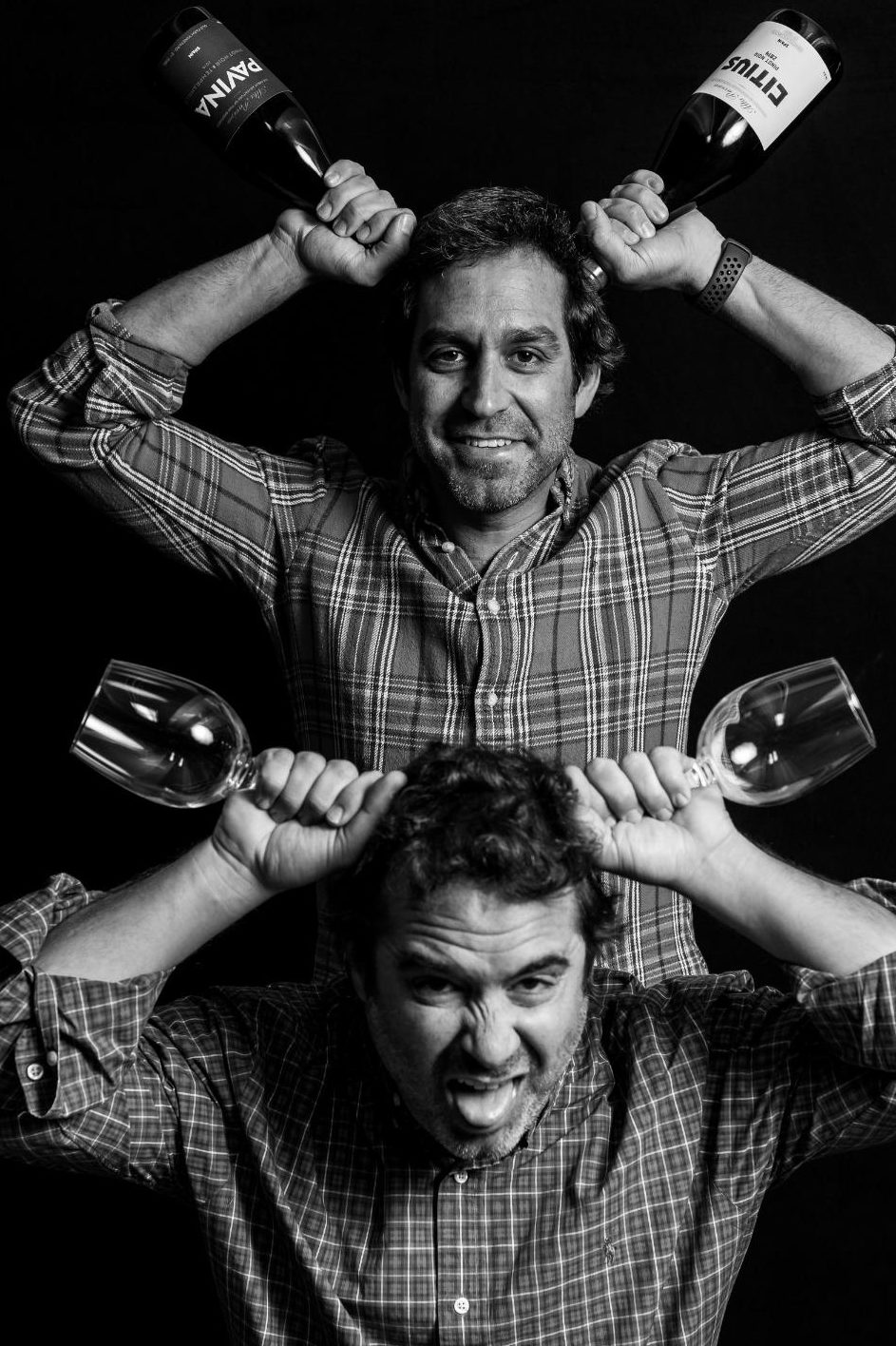
- Alta Pavina : The madness of the Ortega brothers leads them to think about what no one has ever done: developing non-native grapes in the very heart of Castilla y León in the Province of Valladolid. Masterfully working with the Pinot Noir and Cabernet Sauvignon varieties since 1985, at the beginning of the last decade, Alta Pavina began crafting wines with local varieties, but in a way that was completely unorthodox. Time proved them right, and nowadays, their vision sets trends.
- Bodegas Gallegas : Manolo “Arnoya” began his journey in the world of wine more than 60 years ago with a small personal project that ended up becoming a large business group with 5 wineries spread throughout Galicia in the Rías Baixas, Ribeira Sacra, and Ribeiro DOs and a presence in more than 50 countries. Manuel and Myriam, children of the founder, picked up the baton and today continue his legacy with the same family character and the same passion with which their father started this project.
- Treixadura Ribeiro : The oldest Appellation of Origin in Galicia (Spain) since 1932. The Designation of Origin Ribeiro is located in Galicia, Spain, on the northwestern edge of the province of Ourense and at the confluences of the valleys formed by the rivers Miño, Avia and Arnoia. A small region situated at 45 km. of the Atlantic Ocean, in a very particular area and of excellent aptitude for the cultivation of the vine. Ribeiro has an approximate extension of 1,300 hectares of vineyards under the protection of the Designation of Origin, covering 14 different townships. The wine grower has always traditionally been an important and relevant figure in the D.O. Ribeiro. 1,607 of them are currently registered, in addition to 89 wineries with certified product. They represent the production structure of the Designation. With 1,300 hectares of vineyard and an average yield of 10 million kilos of grape (Treixadura is the most important white grape), Ribeiro is characterised by its great diversity and parcelling, a winegrowing heritage that represents the Galician heritage by its landscape, territory and human factor. Tradition is not history. Tradition is eternity.
- Bodegas Cristo de la Vega: Bodegas Cristo de la Vega is a cooperative founded in 1955 and located in La Mancha, Spain. It relies on extensive vineyards belonging exclusively to the members of the cooperative, where both Spanish and foreign varieties are grown. Due to this, the winery is able to control the whole process, from the vineyard to the bottle, and offer a wide array of wines to meet its customers needs.
- Esteban Martin: A pioneer in environmental sustainability, this family business manages 400 hectares of vineyards and exports 90% of its production to over 35 countries. The winery uses innovative techniques such as pheromones and ozone spraying and holds IFS, Vegan, and Organic certifications.
- Garcia de Olano: This family-owned winery manages 40 hectares of private vineyards, focusing on viticulture that respects the “terroir”. Currently transitioning to organic farming, the estate produces three wine lines: fruity traditional wines, complex “exceptional” wines, and exclusive single-plot varietals.
- Leo&Niné: This contemporary family project, located within the Somontano Designation of Origin, combines authenticity and character. Its mission is to democratize wine and make it part of everyday life, asserting that special occasions are not required to celebrate life.
- Bodegas Luis Marin: A family-led business with winemaking roots dating back to the early 19th century, it is now the largest privately owned winery in the D.O. Cariñena. The company exports 98% of its production and has received over 80 international awards in the last decade.
- Virgen de las Viñas Bodega: The Virgen de las Viñas winery, located in Tomelloso, La Mancha, is currently one of the largest in the world, with an average annual production of 250 million kilos, allowing us to fulfill large orders and offer a wide range of wines, from the most basic to the most select, with high quality and good value for money.
Hungary:
- Bock Estate : The Bock family has been growing grapes and making wine in the Villány wine region since 1850. Their love of wine and winemaking has been passed down from father to son for nine generations. The Bock estate continues to operate as a family business to this day. Their work has earned them numerous awards, with hundreds of Bock wines winning championship, grand gold, or gold medals at international wine competitions over the past 40 years. Their goal is to continue producing quality wines and showcase the unique flavors of the Villány wine region.
Italy:
- Albino Armani – Nel Vino dal 1607: The history of the company is rooted in 400 years of tradition, vineyards, and an endless passion for wine.The family is originally from Trentino, but in the 1960s Antonio, Albino’s father, moved to Veneto, to Dolcè, in the southern part of Valdadige. This area remains the heart of the company’s project and is home to the Conservatoria, a collection of ancient local grape varieties at risk of extinction that the winery has revived in order to restore a strong identity to its land. The five wineries, with more than 400 hectares of estate-owned vineyards across Trentino, Veneto, and Friuli Venezia Giulia, today represent a dynamic enterprise rooted in territories of great winemaking vocation, where the deep connection with the mountains is reflected in the sober and elegant style of the wines.
- Contini 1898: A name and a number define their estate and mark the roots of their history. They proudly embody Sardinia’s first and oldest wine estate, a prestige they owe entirely to their founder, Salvatore Contini, and his wife, Anna Maria Dessì
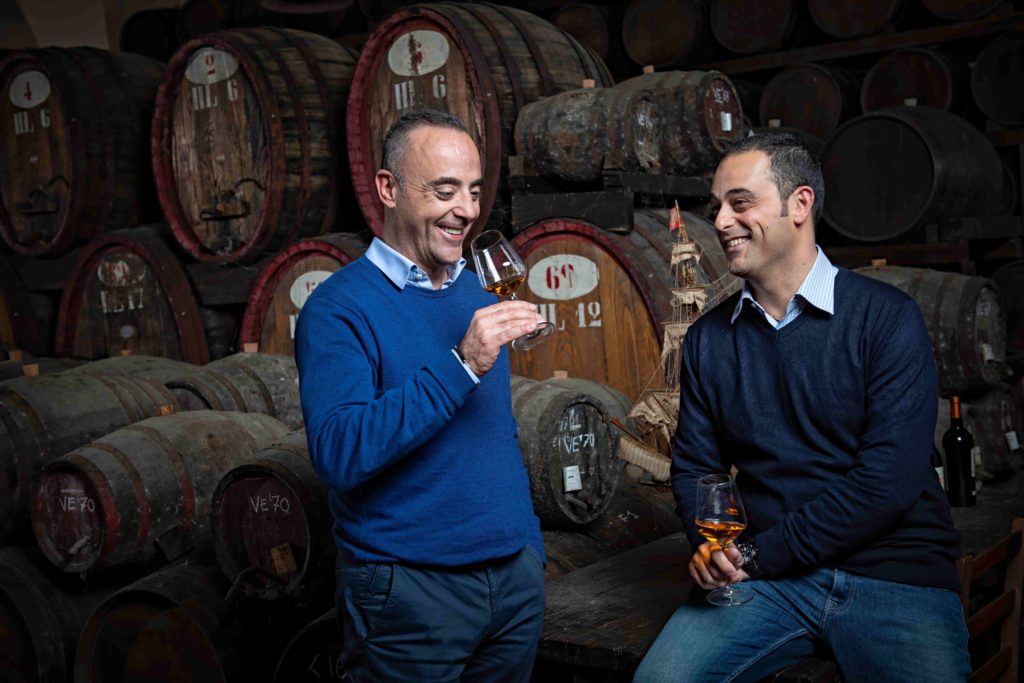
- Leone De Castris: A historic institution founded in 1665 in Puglia, this winery is famous for creating “Five Roses” in 1943, the first rosé wine bottled in Italy. Today, its wines are distributed in over 40 countries, serving as ambassadors for local designations like Salice Salentino.
- Molino ‘7Cento : Molino 7Cento et Albea incarnent une vision commune du vin italien, profondément ancrée dans les terroirs du Latium et des Pouilles. Ces marques établies allient l’histoire et l’identité régionale à une vision résolument tournée vers l’avenir. En travaillant aussi bien des cépages autochtones qu’internationaux, elles produisent des vins qui se distinguent par leur élégance et leur caractère unique. Leur approche valorise les traditions locales tout en intégrant des méthodes innovantes et durables. Chaque étiquette, qu’elle soit issue de l’agriculture biologique ou conventionnelle, résulte d’une recherche constante de qualité et d’un profond respect de l’environnement. Ensemble, elles célèbrent la mémoire viticole de leurs territoires pour la transformer en une excellence contemporaine.
- Nativ: Located on the slopes of the Taurasi hills in the heart of Paternopoli, the Nativ winery stands in one of the most prestigious areas of the Irpinia region. The estate’s identity is deeply connected to its local history, specifically the “Pater” hermits who once sought peace and meditation in this pristine landscape. Founded with a strong commitment to celebrating and preserving its local heritage and traditions, the winery handles all stages of production, from winemaking to bottling, at this historic location. Nativ focuses on crafting authentic wines that reflect the unique character of its ancient land, offering a diverse portfolio that includes red, white, rosé, and sparkling wines.
- Rive della Chiesa: the winery was born from Nino’s passion for vineyards, now continued by his son Michele, a Prosecco enthusiast. The estate represents a harmonious encounter between tradition and innovation, guided by a love for the land and the wisdom passed down from previous generations.
- Tagaro: This family-owned winery produces high-quality Italian wines and enjoys a strong global presence. The estate was born from a deep connection to the land, blending rural traditions with a contemporary vision. Its vineyards are located in some of Puglia’s most distinctive areas, including the Valle d’Itria, Salento, and Northern Bari, contributing to wines with unique structure and character.
- Tenute Lu Spada: Located near Brindisi, this organic boutique winery benefits from a unique microclimate between the Cillarese wetlands and the Adriatic Sea. The estate focuses on sustainability, cultivating native Salento varieties and restoring old vineyards. Beyond producing elegant wines with a strong sense of terroir, Tenute Lu Spada offers a full “wine-estate” experience, including visits, tastings, and cultural events.
- Tenuta San Leo-Albea : After being fascinated by the rural territory of the Castelli Romani, Vito Miceli purchased the vineyards located in Colle San Polo in 2018, founding Tenuta San Leo. The desire to conserve the beauty of the landscape and the bio-diversity of the territory pushed the Miceli family to pursue an idea of a sustainable company implemented through organic and quality cultivation. Sustainable agriculture to enhance diversity and preserve the territory for future generations and respect for human work are the basis of our production activity.
- Gourmeet and Wine: This organization boasts extensive expertise in Italian wine intermediation and manages product portfolios focused on indigenous varieties and terroirs. With direct coverage of over 70 wine markets, it supports companies in their export strategies and international market positioning.
Mauritius:
- Takamaka Boutique Winery: Founded by oenologist Alexander Oxenham, this unique winery in the Indian Ocean crafts elegant wines from fresh lychees. Its innovative creations have earned multiple international awards, offering a refined tropical alternative to traditional grape wines.
Mexico:
- Casa Náufrago : Casa Náufrago is a family business that looks for to realize its partners’ dream: to produce a high-quality wine that competes with the best wines, not only in Mexico, but throughout the world. Each bottle of wine is a work of art that reflects the passion, dedication, and care we put into every stage of its creation. Their wines are the result of a meticulous process that combines tradition and technology, offering a unique and authentic sensory experience. Thanks to the vision of their winemaker, Francisco Rodríguez, their wines reflect richness and personality, fusing tradition and innovation in every bottle.
Portugal:
- Despertar dos Sentidos: Based in Portugal, this company serves as a Brand Ambassador and Agent for quality Portuguese producers, focusing specifically on the Belgian, Luxembourgish, and French markets. With over two decades of industry experience, it represents approximately 30 companies and facilitates the export of premium wines and gourmet products. Its goal is to spark curiosity and appreciation for the excellence of Portuguese products.
Romania :
- Crama Girboiu is a family-owned winery located in the Cotești region of Romania, cultivating 180 hectares of vineyards on clay-loam soils. Their wines are a true expression of this distinctive terroir, standing out for their freshness, balance and authenticity. As passionate ambassadors of Romania’s indigenous grape varieties, they showcase their unique character to an international audience. Their expertise is now recognised through more than 460 international awards, a clear testament to exceptional quality and consistency.