Armenia: The Oldest Newest Wine Country
The prestigious Red and White Wines Session of Concours Mondial de Bruxelles | CMB will be hosted by Yerevan, Armenia, from 21 to 23 May 2026. This landmark event marks a significant moment for Armenia as it will host the CMB for the very first time, opening its doors to the global wine community.
Over the coming weeks, we will be publishing an in-depth collection of features designed to take you behind the scenes of the Armenian wine scene
There are places you discover. And there are places that feel like you have always known them. Armenia belongs to the second kind, and so does its wine.
Small on the map, yet somehow everywhere, because even if you cannot point to it exactly, you have likely met it. In a person. In a story. In a table where you were welcomed without question. An Armenian friend who insisted you eat more, drink more, stay longer.
That feeling, that unmistakable warmth, is Armenia. And it is exactly what its wine tastes like.
The Hidden Track of Wine…
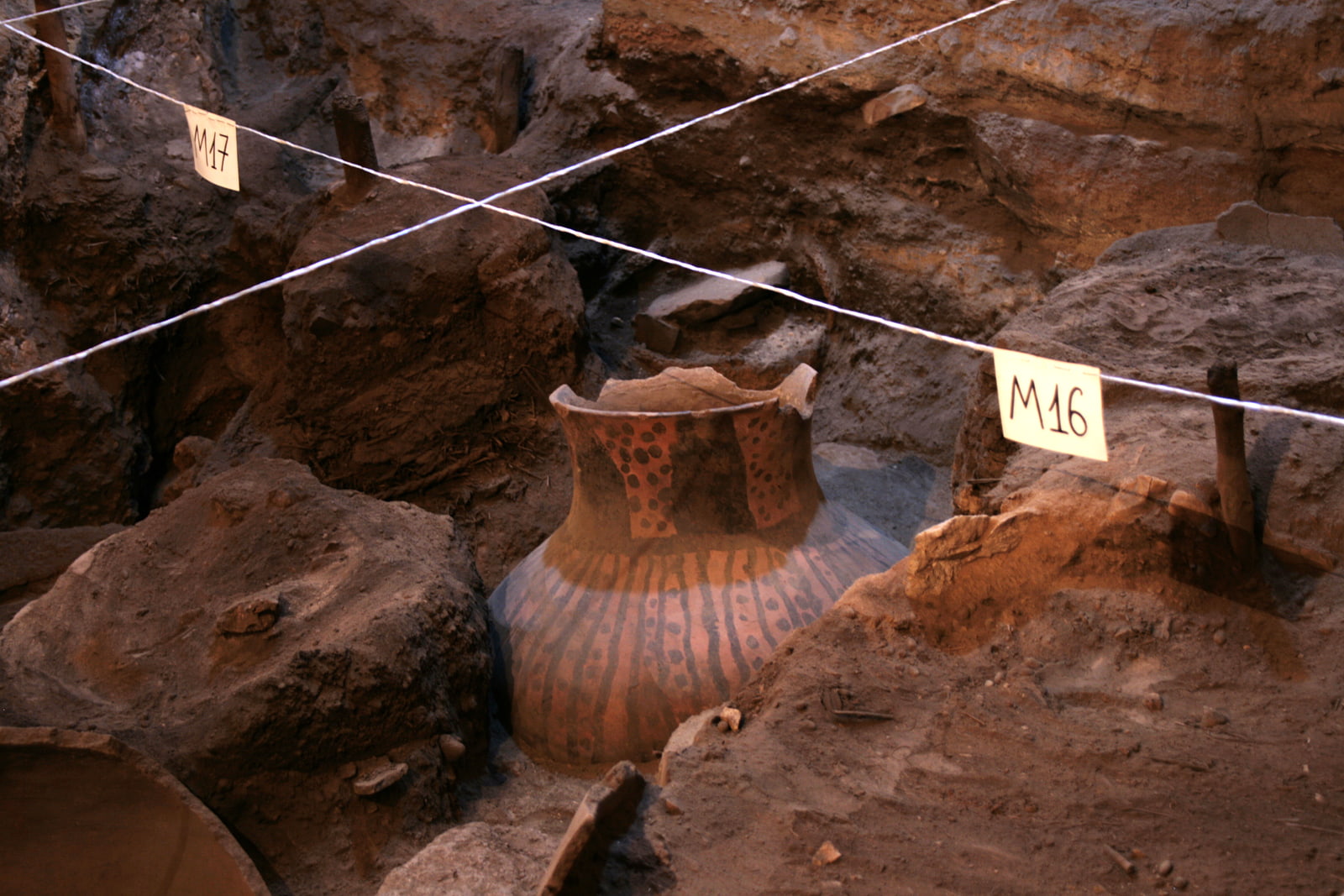
In 2007, archaeologists excavating the Areni-1 Cave in southern Armenia uncovered something that quietly reshaped the history of wine. A clay fermentation vat. A grape-pressing basin. Dried skins and seeds. Karases, clay vessels, buried in earth. All of it dating to approximately 4100 BCE, the oldest winery ever discovered, anywhere on earth.
What makes this discovery remarkable is not only its age, but its continuity as living heritage. The cave in Vayots Dzor does not represent a lost world, but the earliest trace of a tradition that has never left Armenian identity. Winemaking here is not preserved as history- it is carried as memory. A form of intangible cultural inheritance, carried through generations as memory, ritual, and identity.
Terroir Written in Fire and Stone
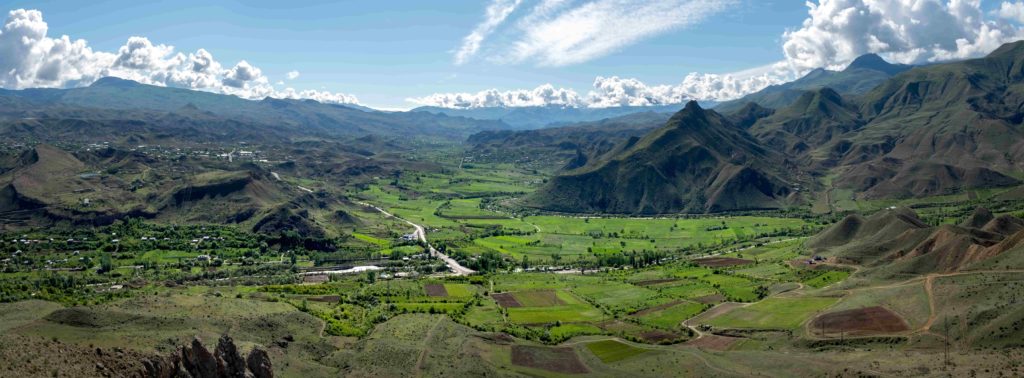
Armenia is a country shaped by volcanoes. The soils here: basalt, tuff, obsidian, are the residue of geological violence turned over millennia into something extraordinary: a substrate that stresses vines in exactly the right way, pushing roots deep, concentrating flavor, imparting a mineral signature that is unmistakably Armenian. Here, vines do not grow easily, they endure. They adapt. They express.
Vineyards sit between 600 and 1,800 m. above sea level, among the highest plantings in the world. More than 300 days of sunshine annually ripen the grapes to intensity. Cool mountain nights slow that ripening down, preserving acidity and the aromatic lift that makes the best Armenian wines feel simultaneously powerful and precise.
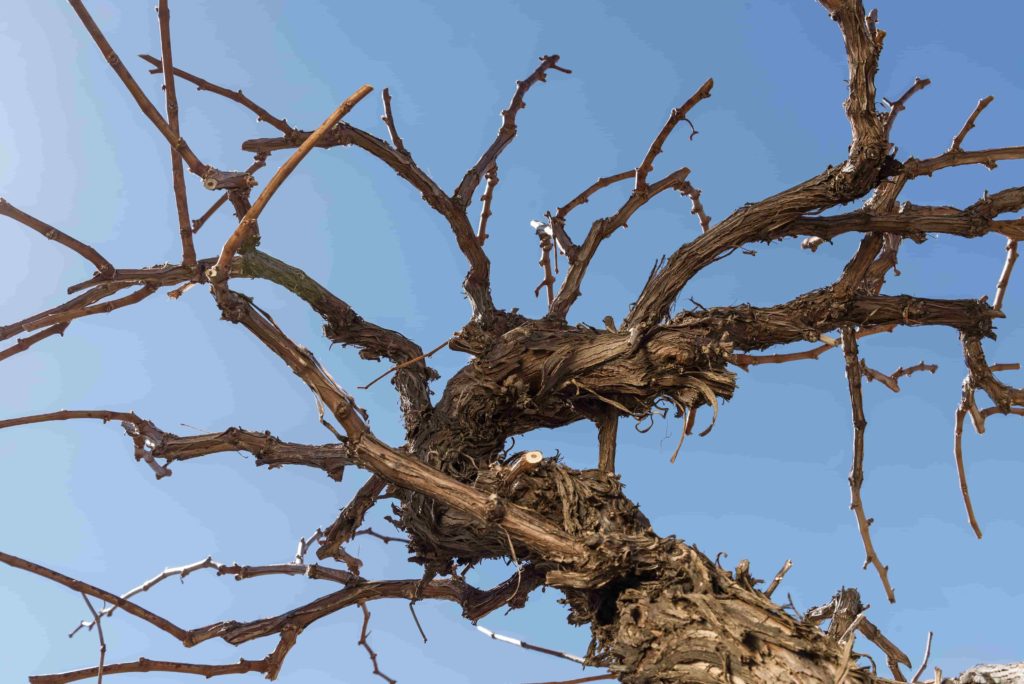
And then there is the matter of the vines themselves: a good portion of 90 % of Armenia’s vineyards remain ungrafted, growing on their own original root systems. Armenia is one of the last places on earth where pre-phylloxera vine heritage still lives and breathes and produces fruit. That is not a footnote. That is wild.
The Grapes: Varieties That Exist Nowhere Else
With more than 450 autochthonous and native grape varieties, Armenia is one of the ancient centres of grapevine domestication. Scientists studying the origins of Vitis vinifera, the species behind nearly every wine on earth, have consistently pointed here, to the Armenian Highlands and the wider Caucasus, as the birthplace of grape cultivation. Key varieties include Sev Areni, Voskehat, Lalavari, Khndoghni, Garan dmak, Milagh (Kakhet), Kangun, and Haghtanak, etc.
Five Regions, One Wine Language
Just as the Armenian language is rich with beautiful regional dialects, each carrying its own rhythm, tone, and nuance while remaining unmistakably Armenian, so too is Armenian wine.
Across the country, five distinct wine regions express the same origin in five different “dialects” of terroir. Each region speaks with its own accent shaped by altitude, climate, soil, and tradition, yet all remain part of the same living wine language of Armenia.
These are not separate identities, but variations of one voice.
- Vayots Dzor speaks in the oldest dialect: deep, volcanic, and rooted in origin.
- Aragatsotn expresses a high-altitude clarity and refined elegance.
- Ararat Valley speaks broadly and generously, with openness and warmth.
- Armavir carries a balanced, evolving tone where tradition meets modern expression.
- Tavush adds a fresh, green, aromatic accent, shaped by forests and rain.
Together, they form a single language of wine, ancient, diverse, and deeply connected.
The Renaissance of Armenian Wine: Ancient methods, new hands
The Soviet era, which demanded quantity over quality and redirected much of Armenia’s viticultural heritage toward industrial brandy production, cast a long shadow. Many old vineyards were lost. The knowledge of indigenous varieties faded. What had been a living tradition became a dormant one.
Independence in 1991 began the long, slow reversal. A new generation of winemakers, some returning diaspora, some locally trained oenologists who had studied in France, Germany, Italy and more, and come home with international, modern technique but Armenian instinct and heart, began the patient work of reconstruction. Ancient karas, the large clay amphorae buried underground for natural fermentation and aging, were unearthed and put back to use. The Kakhani method of naturally drying grapes before pressing was revived. Sev Areni vineyards, many of them ungrafted and extremely old, and wild were rehabilitated rather than replanted.
By the 2010s, a new generation of Armenian winemakers began appearing on respected international wine lists. Critics took notice. Not with the indulgent curiosity reserved for wine novelties, but with the genuine respect that follows real quality.
Today Armenian wine does not taste like a reproduction. It tastes like resilience and renaissance. And that, in the end, is what makes it extraordinary, not that it is old, but that it never truly ceased.
Armenia is a small country with a remarkably vast cultural footprint. Among its most enduring legacies is wine: a tradition that is, in every sense, one of the oldest and most compelling stories still being written.
And somewhere within that story, at a table, in a glass, in a shared moment, there is a word that carries it all. Kenats !!!
Meaning cheers to life, to presence, to being together.