Armenia: The Oldest Wine Journey in the World
“The Armenians have wine,” wrote Strabo in the 1st century BC. It is one of history’s shortest descriptions of an entire civilisation, and somehow still one of the most accurate.
Because wine in Armenia was already ancient when Strabo arrived.
So ancient, in fact, that what we now call wine tourism may have begun here long before the term itself existed. The first travellers documenting Armenian wine were not sommeliers, critics or journalists with tasting notebooks. They were historians. Chroniclers trying to understand a land where wine already seemed inseparable from daily life.
Herodotus described Armenian wine being transported down the Araks River in large quantities, carried across kingdoms through organised trade routes that clearly belonged to a much older story. Strabo arrived later and found wine culture so established that he reduced it to a single sentence, as though no further explanation was required.
Long before modern wine routes and tasting itineraries, Armenia was already a destination shaped by vineyards and hospitality. The roads passed through valleys of vines, mountain villages and trading routes where wine travelled together with stories, bread and people.
Today, that journey still begins in Yerevan, one of the world’s oldest continuously inhabited cities, founded in 782 BC, older than Rome and still remarkably alive. Cafés spill into the streets. Wine bars stay busy late into the evening. Pink tufa stone buildings glow at sunset while conversations stretch across long tables covered with wine, herbs, cheeses and fresh lavash.
Yerevan feels so warm. Vibrant. Deeply social.
And from here, within only a few hours, travellers can move through Armenia’s five principal wine regions: five distinct landscapes connected by indigenous grapes, mountain air and the deeply Armenian instinct to welcome a guest before they even knock.
Vayots Dzor
Where Wine Remembers Its Origins
Vayots Dzor is where Armenian wine speaks most directly to history.
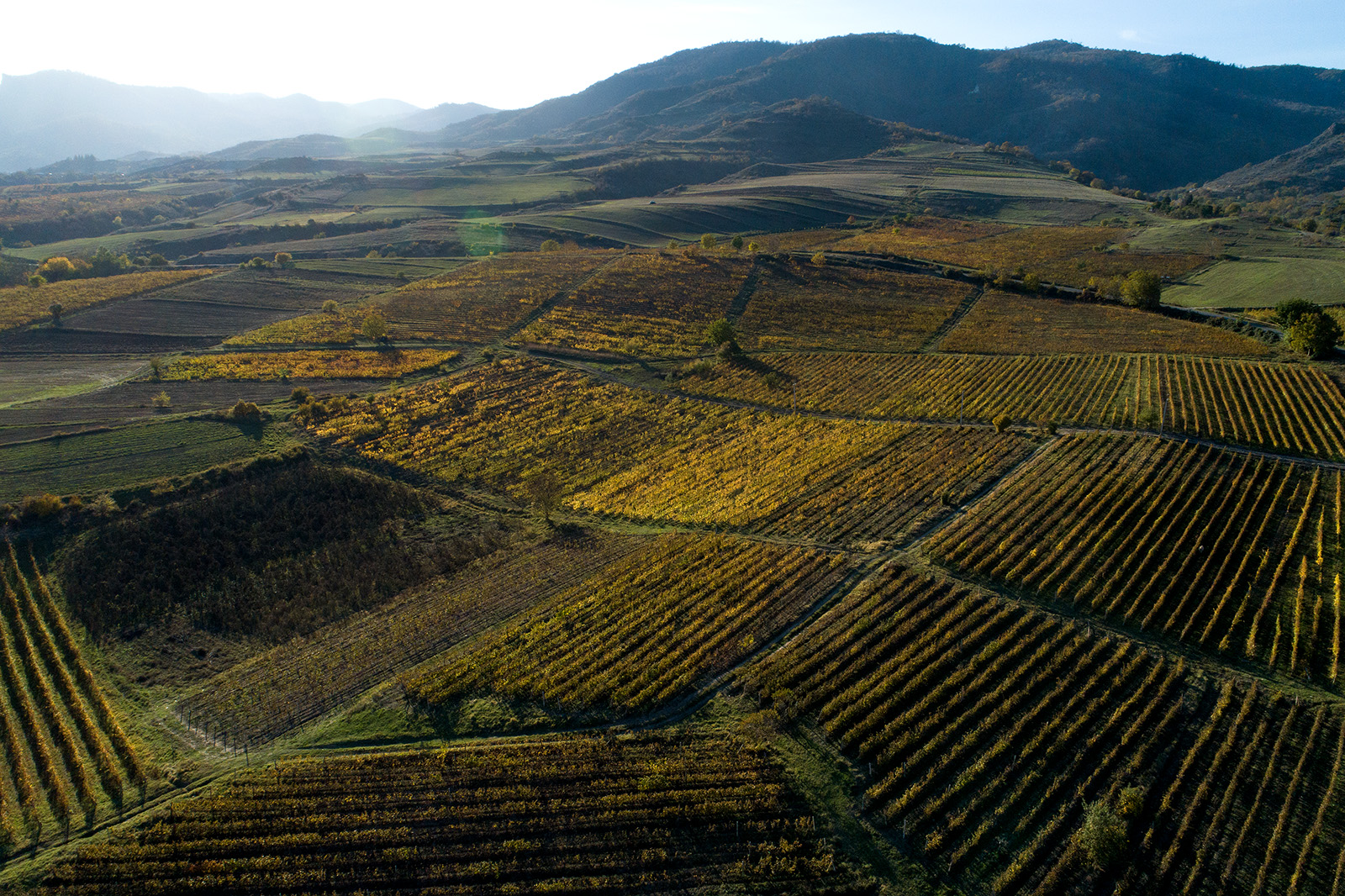
The landscape is dramatic without trying to be. Vineyards rise between 950 and 1,800 metres above sea level, rooted in Vayots Dzor’s rocky, mineral-rich volcanic and limestone soils shaped by ancient lava flows and mountain erosion.
This is the birthplace of Sev Areni, Armenia’s most celebrated indigenous red grape variety, producing wines with freshness, structure and remarkable elegance.
But beyond the wines themselves, Vayots Dzor carries something rarer: continuity.
The same valley that once held the world’s oldest winery is still filled with vineyards today. Wine was never rediscovered here because it was never forgotten.
Ararat Valley
Sun’s Favorite Child
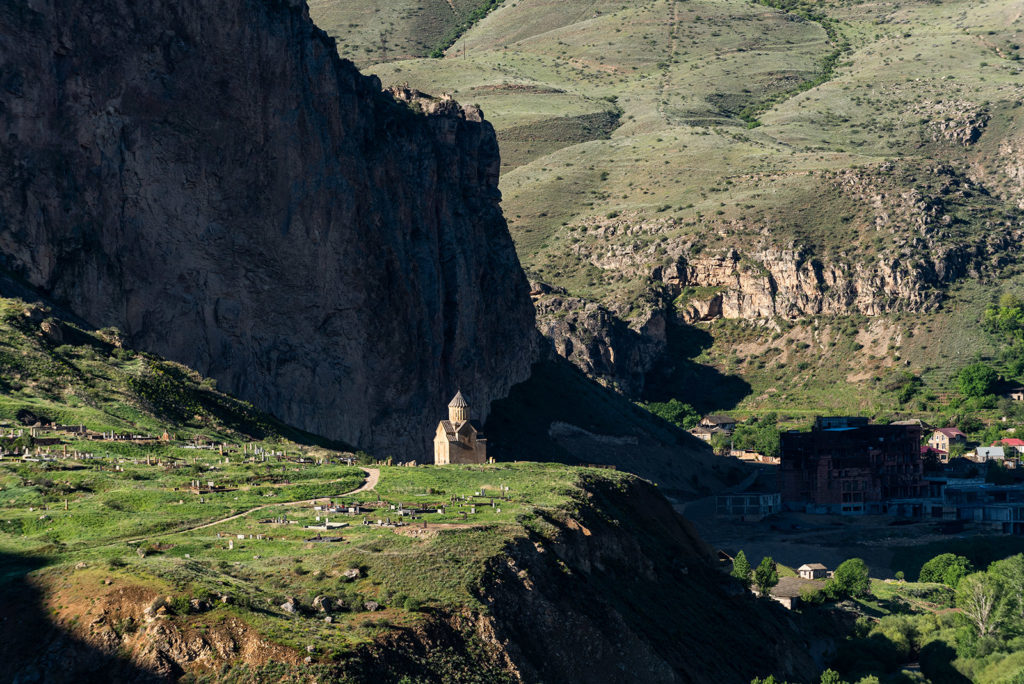
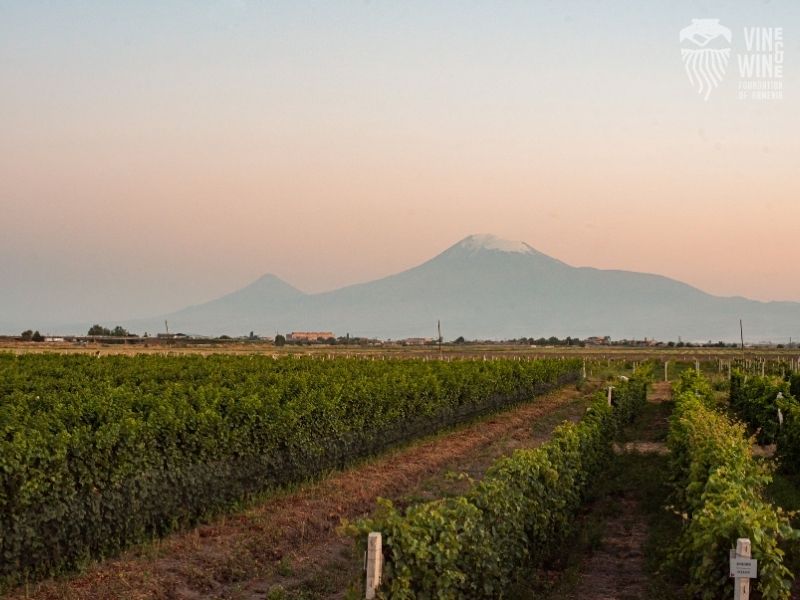
The Ararat Valley stretches wide beneath the silhouette of Mount Ararat, with vineyards running across sun-filled plains cultivated for millennia.
Viticulture here stretches back millennia, with King Rusa II (685–645 BC) leaving some of the most vivid archaeological proof, a royal palace at Karmir-Blur storing an estimated 35,000 liters of wine. The dry climate and abundant sunlight create ideal conditions for indigenous and local varieties such as Garan Dmak, Kakhet, and Kangun.
The wines carry the warmth of the valley itself: generous, expressive and open-hearted. And hospitality arrives just as naturally. A tasting quickly becomes lunch, then coffee, fruit and another bottle opened “just to try.”
Because in Armenia, wine has never been served alone. It has always been an integral part of locals’ hospitality.
Armavir
The Heartbeat of Armenian Wine
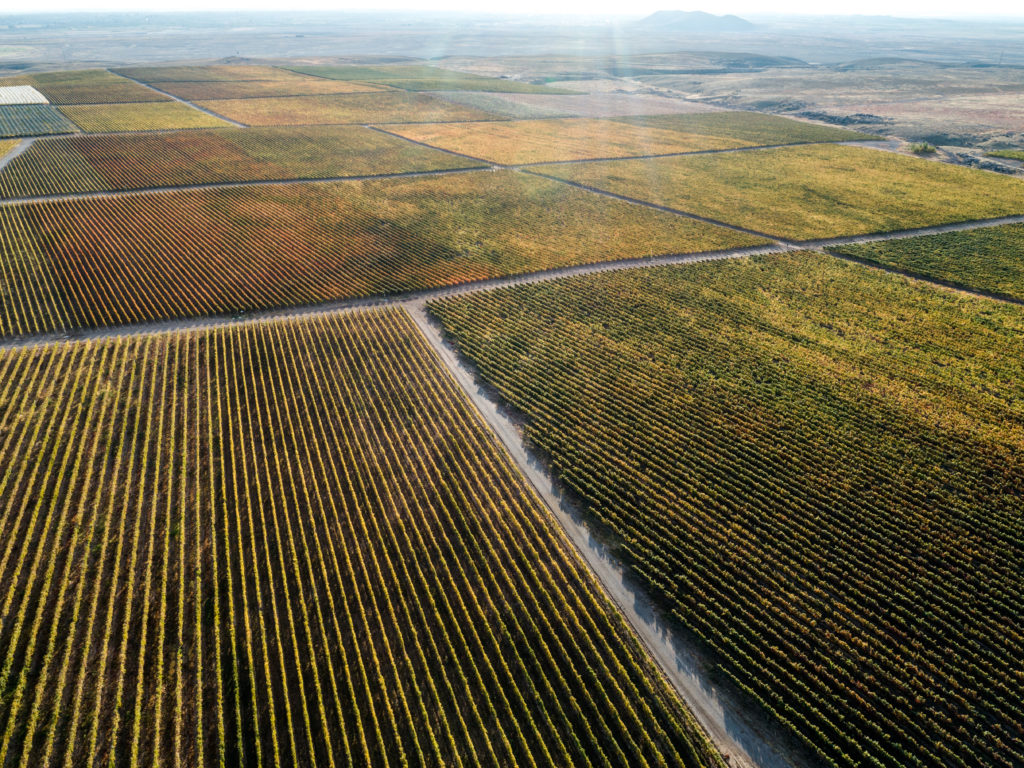
Armavir is Armenia’s largest wine-growing region and one of the foundations of the country’s wine and brandy culture.
The landscape is broad and agricultural, shaped by vineyards, orchards and generations of farming knowledge. Wine here feels deeply connected to everyday Armenian life, present at the table as naturally as bread itself.
Haghtanak, Kangun, Garan Dmak and Mskhali thrive under the region’s generous sun, producing wines that are balanced, approachable and quietly confident.
Aragatsotn
Altitude and Precision
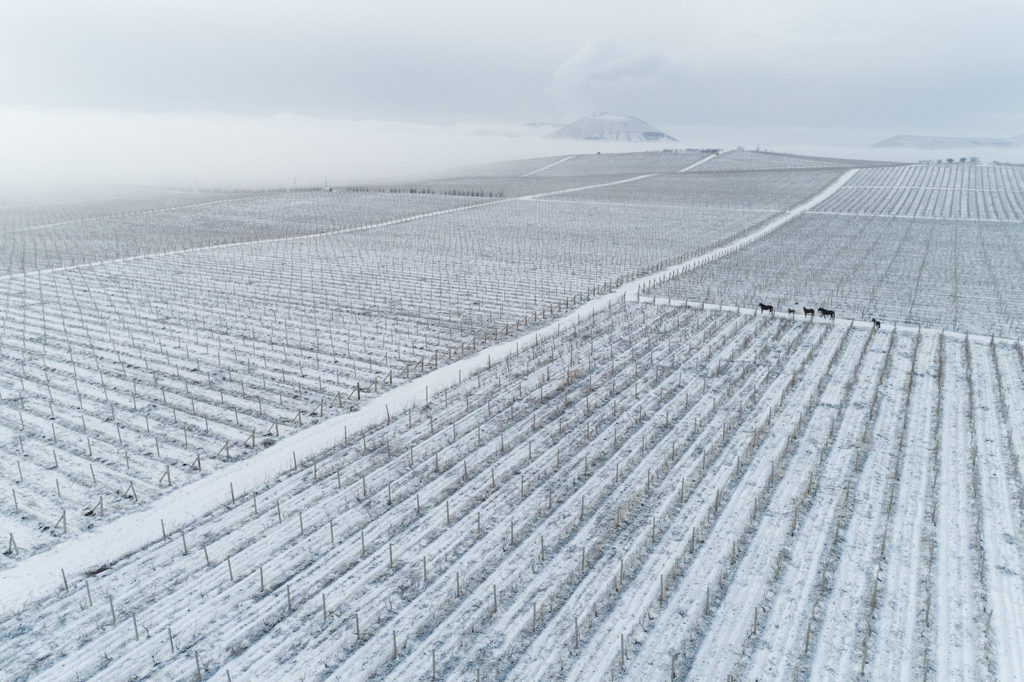
Climbing toward the slopes of Mount Aragats, Aragatsotn offers a different expression of Armenian wine.
At an average altitude of around 900 to 1,400 metres above sea level, the region combines cool high-elevation conditions with volcanic and tuff-based soils enriched by alluvial mountain sediments, creating wines marked by freshness and precision, especially from the indigenous white grape Voskehat.
The vineyards sit against mountain landscapes where weather shifts quickly and the air feels noticeably lighter. There is clarity in the wines that seems connected directly to altitude itself.
Winemaking here often feels careful, thoughtful and deeply attentive to detail, a balance between mountain intensity and elegance.
Tavush
Armenia in Green
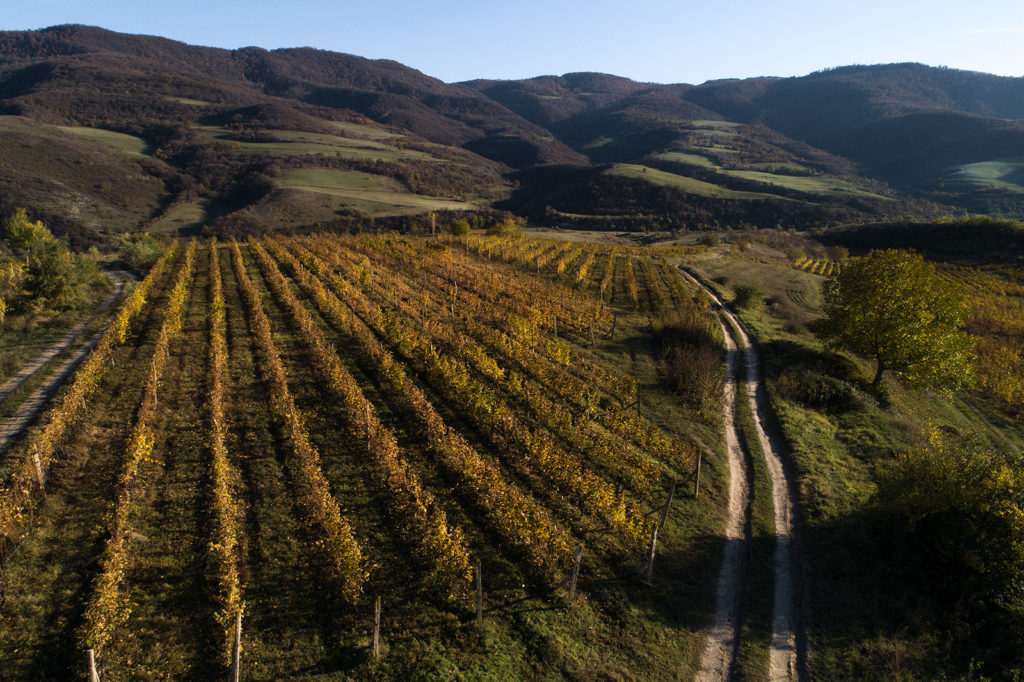
Then comes Tavush, perhaps Armenia’s most unexpected wine region.
Forests replace open plains. The air becomes softer, cooler and greener. More than half the region is covered in woodland, creating a landscape entirely different from the sun-filled valleys further south.
The indigenous varieties grown here, including Lalvari and Banants, produce aromatic and delicate wines shaped by Tavush’s temperate climate and higher rainfall. Everything here moves at a gentler pace. Conversations linger longer, wines become lighter. . .
The Road Still Leads Here
Armenia’s wine story is often told through dates: 4100 BC, Areni-1 cave, the world’s oldest winery. But Armenian wine tourism has never been only about history.
It is about hospitality, welcoming people.
The open door.
The table already prepared.
The lavash still warm from the tonir.
The vineyard owner pouring one more glass while speaking about a grape variety that exists nowhere else on Earth.
Perhaps that is why the earliest records of Armenian wine already read like the memories of travellers who arrived curious and left connected to the place.
And perhaps that is why the road has been leading here for so long.
Because before all roads led to Rome, they might had been leading to Armenia.
Rima Abrahamyan