Wine & Identity. Old World, New World & Beyond
The world of wine is neatly divided into Old and New. Then there is Armenia, a country that predates the logic of both categories and quietly makes them feel insufficient.
The familiar map of wine is drawn in two hemispheres of thought. The Old World: structured, rooted, philosophical, bound to place and inherited practice. The New World: open, expressive, experimental, built on reinterpretation and freedom. Over decades, this division has shaped how we classify wines, how we expect them to behave, and how we talk about them.
And then there is Armenia, which does not sit comfortably inside either category. Not because it rejects them, but because it predates the very logic that created them.
Armenia carries the quiet structure and terroir-rootedness we associate with the great Old-World traditions. It also carries a certain openness, an instinct to experiment, revive, and evolve, that reads as distinctly modern. But neither label fully contains it. Because Armenia does something more rare: it acts as a connecting thread within the chronology of wine itself. Not a point on the map, but the place where the map’s divisions begin to blur.
A dialogue, not a domination
Terroir, in most of the world, is understood as influence- soil, altitude, and climate shaping the grape from the outside. In Armenia, something more stubborn is at work.
These vines do not merely respond to their conditions. They have been formed by them, holding their shape. At altitude, on volcanic stone, through sharp seasonal extremes, Armenian indigenous varieties keep their character. They do not soften. They do not drift. Whatever the vintage brings, the grape remains itself.
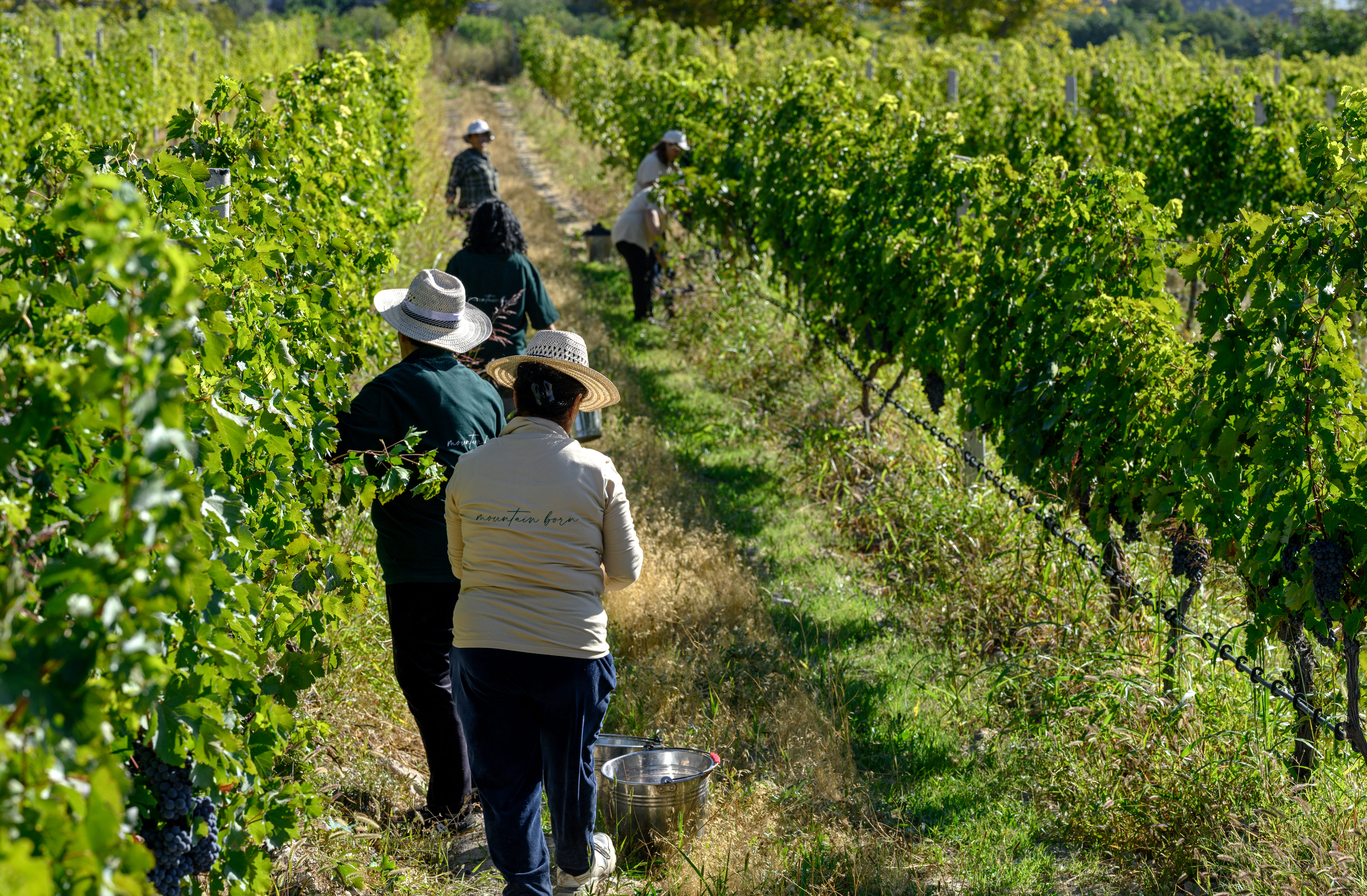
And moving quietly between this vine and this land is the Armenian grower- not as an outside force, but as someone who has always belonged to both. The knowledge here is not learned so much as inherited. Six thousand years of winemaking do not disappear. They settle into hands, into instinct, into an understanding of the vine that does not need to be explained because it was never forgotten.
Native intelligence, bottled
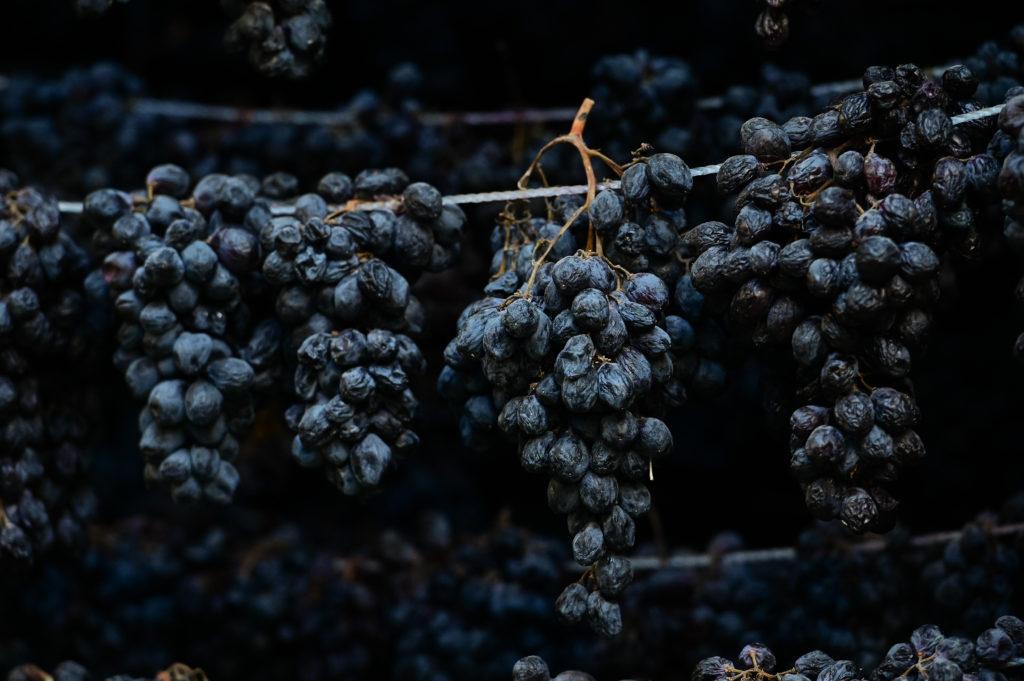
With more than 450 indigenous and native varieties, Armenia is one of the ancient centres of grapevine domestication. These are not imported ideas planted in foreign soil. They are native intelligence systems, shaped by centuries of adaptation, resilience, and survival in one of the world’s most demanding viticultural environments.
Sev Areni – Precise, lifted, structured, carries the signature of altitude and volcanic stone. Armenia’s defining endemic red grape, with a haunting elegance and genuine aging potential.
Voskehat – Generous yet structured, Armenia’s most complete white expression, textured, with a depth that rewards patience.
Khndoghni, Lalvari, Garan Dmak, Kakhet (Milagh) – these are not varieties that adapted to Armenia. They are varieties with Armenian DNA: endemic, autochthonous, shaped over millennia by this specific altitude, specific stone, specific light, proving that they could only ever have come from here.
The renaissance
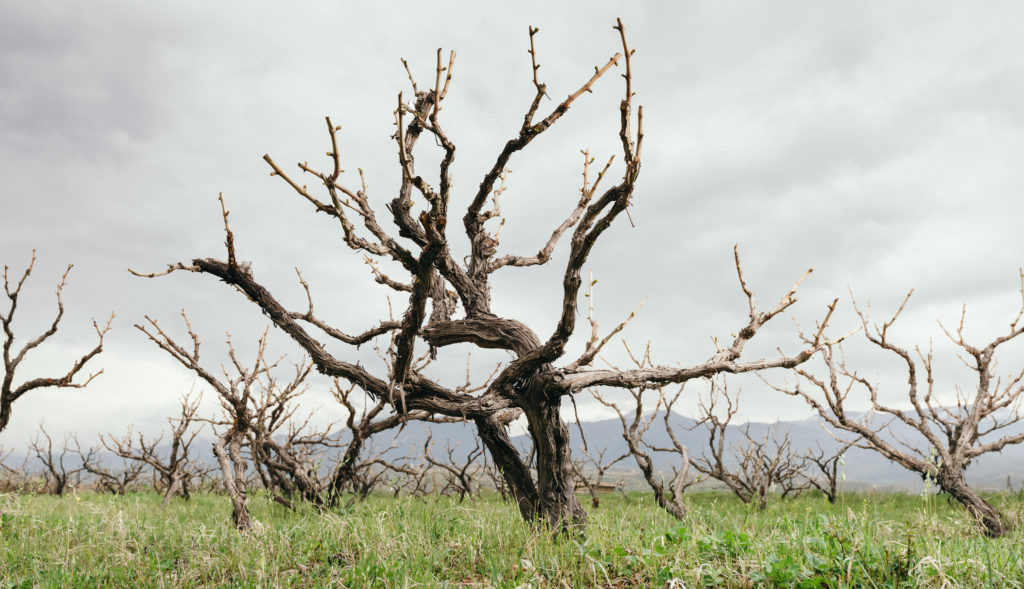
The contemporary Armenian wine scene is frequently described as a renaissance. But it is more precise than that: it is a return to alignment. A new generation of winemakers, many of them returning diaspora, others trained abroad and drawn back by the call of blood and memory, has begun working not against the landscape, but with it. Indigenous grapes have been replanted. Ancient karas fermentation, clay amphorae buried in the earth, has been reintroduced as both method and philosophy. Old vineyard sites, almost all of them carrying ungrafted vines, have been revived.
The result is a living continuity between what this land has always known how to produce and what a new generation of producers now knows how to articulate.
Recognition · Concours Mondial de Bruxelles
In recent years, the international wine community has begun to take formal notice. Armenian wines have earned a growing collection of medals at the Concours Mondial de Bruxelles (CMB). These are not participation awards. CMB medals are competitive distinctions earned against thousands of entries from established wine nations. For Armenia, each medal is both a validation of quality and a signal: this is a wine country that has rejoined the global conversation.
Rima Abrahamyan